
Introduction to Mango Sago
Mango Sago is a delightful dessert that captures the tropical essence of fresh mangoes and the chewy texture of tapioca pearls. This popular treat has its roots in Southeast Asia, often enjoyed as a refreshing finish to meals, especially in warm weather. But what makes mango sago so beloved?
What is Mango Sago and Why is it So Loved?
At its core, mango sago is a creamy blend of ripe mango puree, chewy tapioca pearls, and coconut milk, often sweetened to your liking. The addition of condensed milk enhances the dessert's richness, creating a symphony of flavors that tantalize your taste buds.
It’s not just about taste—this dessert also caters to dietary needs. Whether you’re gluten-free or just looking for a guilt-free indulgence, mango sago fits the bill. Its vibrant yellow color and tropical flavor make it visually appealing and perfect for gatherings or as an easy treat after a long day.
When you take that first spoonful, the luscious mango mixes with the subtle coconut notes and a hint of vanilla, creating a pleasurable experience. Trust me, once you taste mango sago, you’ll understand why it has captured the hearts of dessert lovers everywhere!
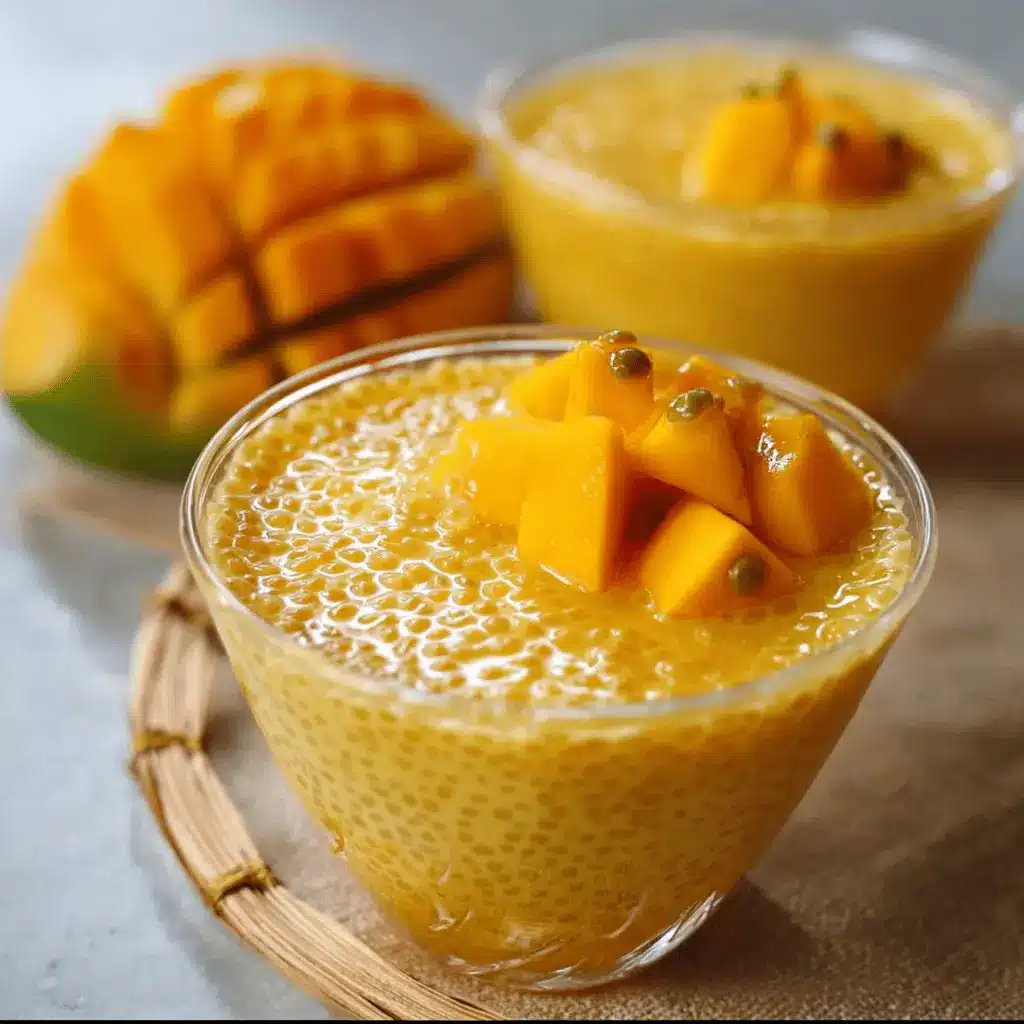
Ingredients for Mango Sago
Essential Ingredients for a Delightful Treat
Creating a delicious bowl of mango sago requires just a few simple yet essential ingredients that bring out the tropical flavors we all love. Here’s what you need:
-
½ cup small-sized uncooked tapioca (about 60g): Tapioca pearls are the star here, providing that delightful chewy texture that complements the smooth mango puree. For tips on selecting the perfect pearls, check out The Woks of Life.
-
3 ripe mangos (about 1 kg): Choose juicy, perfectly ripened mangos; they’ll give your mango sago its vibrant color and luscious flavor.
-
200 ml unsweetened coconut milk (½ of a 13.5 oz. can): This ingredient adds a rich creaminess that beautifully balances the sweetness of the mango.
-
60 ml sweetened condensed milk (¼ cup, or more to taste): This is where you can control the sweetness. Adjust to suit your palette!
-
½ teaspoon vanilla extract: A touch of vanilla enhances the overall flavor profile, giving it a lovely aromatic note.
Gather these ingredients for a delightful dessert that’s sure to impress your friends and family!
Preparing Mango Sago
Mango Sago is a delightful, refreshing dessert that combines sweet mangoes, creamy coconut milk, and chewy tapioca pearls. Whether you’re hosting friends or enjoying a quiet night in, this dessert is bound to impress! Let’s walk through the simple process together.
Cook the Tapioca Pearls
Start by cooking your tapioca pearls, which are the heart of this recipe. In a medium pot, bring 4 cups of water to a boil. Once boiling, add ½ cup of small-sized uncooked tapioca. It's essential to add the tapioca only after the water is at a rolling boil to ensure the pearls cook evenly. Give it a good stir and let it bring back to a boil. Allow the pearls to simmer for 20 minutes, stirring occasionally. You'll know they are done when they are completely transparent. If you notice any white centers, cover the pot and let it sit off the heat for another 10 minutes. After cooking, drain and rinse the pearls in cold water to stop the cooking process, then soak them in a bowl of cold water while you prepare the mangoes.
Prepare the Mangoes
Next up, the star of Mango Sago—the mangoes! Take 3 ripe mangos (around 1 kg total) and peel them. Be sure to discard the pit carefully. You want to keep a handful of nice chunks aside, as they’ll be perfect for topping your dessert later. The rest of the mango flesh will be blended for that smooth, velvety taste that complements the chewy tapioca. If you're looking for tips on selecting ripe mangoes, check out this detailed guide!
Blend and Mix Ingredients
Now it’s time to create the luscious base for your mango sago. In a blender, combine the chopped mango (the majority of it), 200 ml of unsweetened coconut milk, 60 ml of sweetened condensed milk, and ½ teaspoon of vanilla extract. Blend until everything is smooth and creamy. Adjust the sweetness by adding extra condensed milk if desired. Once the mixture is ready, fold in the cooked tapioca pearls gently, ensuring they're well distributed without breaking them.
Chill the Mixture
Chilling is essential! Transfer your mango sago mixture into a large bowl or individual serving cups and refrigerate for at least 2-3 hours. This not only enhances the flavors but also allows the dessert to thicken slightly, making every bite even more satisfying.
Serve with Garnishes
Finally, it’s time to plate your Mango Sago. Serve it chilled, topped with the fresh mango chunks you set aside earlier. You might also consider adding a sprinkle of shredded coconut or a few mint leaves for an extra touch of freshness. This dessert isn’t just a treat for the palate; it’s visually appealing too!
And there you have it—your but simple steps to make a delicious Mango Sago that will leave everyone craving more. Perfect for any occasion, this recipe is sure to become a staple in your dessert arsenal!
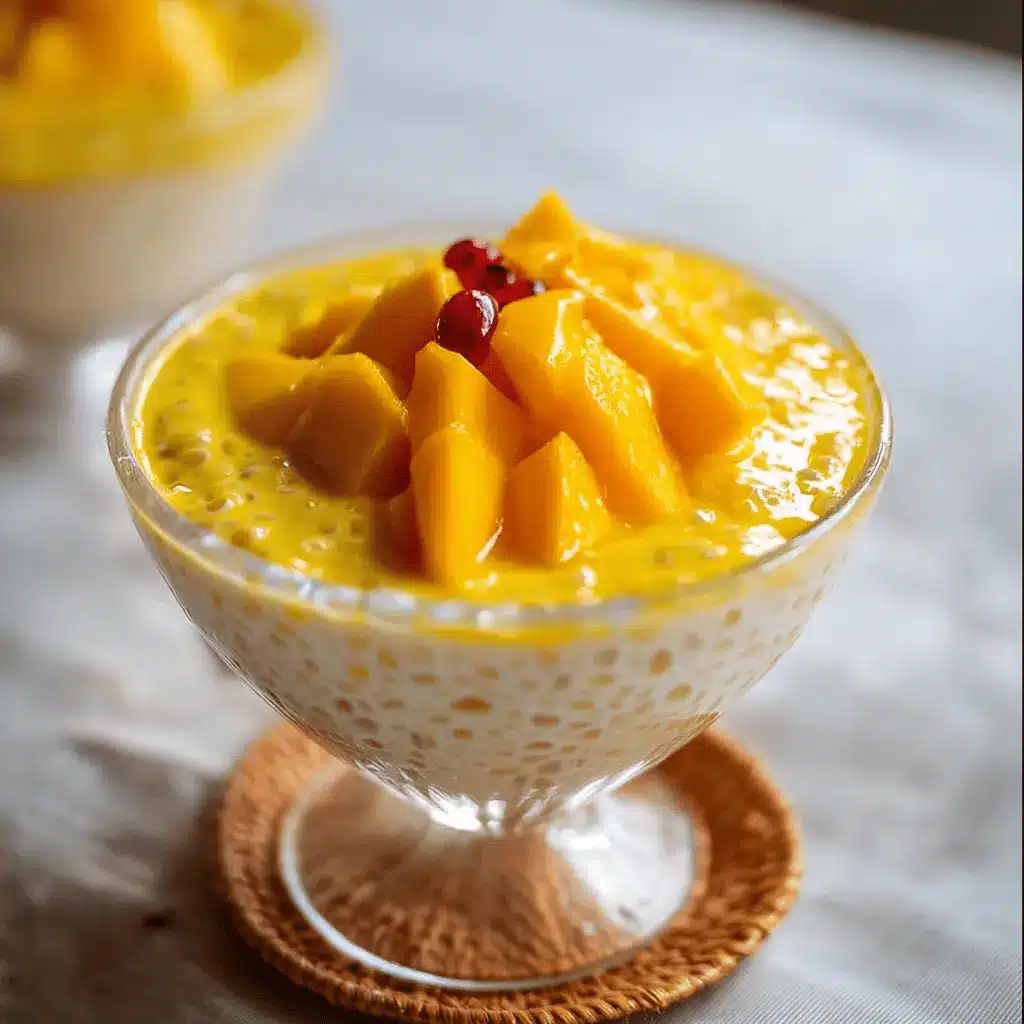
Variations on Mango Sago
Mango Sago is a delightful dessert that can be customized to suit your taste buds. Here are two exciting variations to try:
Mango Sago with Passion Fruit
Elevate your Mango Sago by incorporating the tangy essence of passion fruit. Just scoop the pulp from ripe passion fruits and mix it in with the mango puree, adding a zesty kick to the dish. This not only enhances the flavor but also gives your dessert a beautiful, tropical flair. You can even use the seeds for an added crunch!
Tropical Fruit Adaptation
Why stop at mango? Feel free to experiment with a mix of other tropical fruits like pineapple, kiwi, or even dragon fruit. The combination of luscious mangos and vibrant fruits creates an explosion of flavors and colors. Simply blend your chosen fruits with the mango before mixing with the tapioca, and enjoy a delightful twist on the classic Mango Sago.
Cooking Tips for Mango Sago
Tips for Perfect Tapioca Pearls
To achieve the best Mango Sago, perfecting your tapioca pearls is crucial. Here are some easy tips to ensure they turn out just right:
- Start with Boiling Water: Always add uncooked tapioca pearls to boiling water. This helps them cook evenly.
- Keep an Eye on Cooking Time: Cook them for about 20 minutes until they turn completely clear. If they remain opaque, let them sit covered for an additional 10 minutes in the residual heat.
- Rinse After Cooking: Once done, rinse the pearls under cold water. This stops the cooking process and helps retain their chewy texture.
- Soak to Store: Keep your cooked tapioca pearls submerged in cold water if you're not using them immediately. This helps prevent them from sticking together.
By following these simple steps, your Mango Sago will have that delightful texture everyone loves! For more detailed instructions and cooking tips, check out this guide on preparing tapioca pearls.
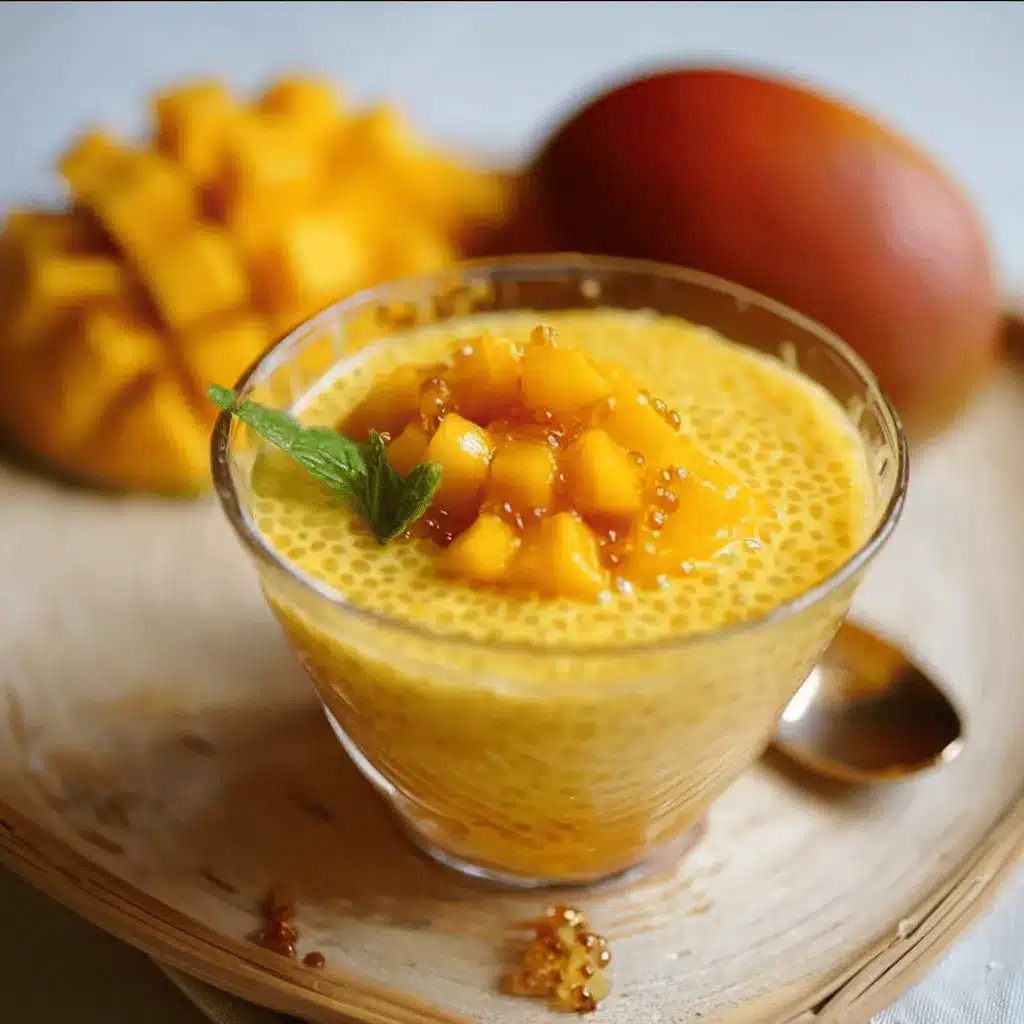
Serving suggestions for Mango Sago
Presenting Mango Sago stylishly
Mango Sago is not just a delicious dessert; it’s an experience worth savoring visually! To present your Mango Sago stylishly, consider these tips:
-
Layered Presentation: Use clear glass cups or jars to showcase the beautiful layers of mango puree, tapioca pearls, and coconut milk. A layered look makes it appealing and can spark conversation among guests.
-
Garnish with Fresh Fruits: Top your dessert with fresh mango chunks, mint sprigs, or even a sprinkle of toasted coconut for a touch of color and texture.
-
Chill and Serve: Serve your Mango Sago chilled for that refreshingly cool experience, perfect for warm days.
For a unique twist, pair it with a coconut cookie or a scoop of sorbet on the side. A delightful pairing with a tropical fruit punch can also enhance the overall flavor experience!
Time Breakdown for Mango Sago
Preparation time
To whip up your delicious Mango Sago, you'll need approximately 30 minutes. This includes peeling and chopping those ripe, juicy mangos and getting your tapioca pearls ready.
Cooking time
The cooking process takes around 30 minutes. This involves boiling the water and cooking the tapioca until they're perfectly translucent and chewy.
Total time
In total, allow yourself about 1 hour to create this tropical treat. With a little patience and love, you’ll have a delightful dessert ready to impress friends or enjoy solo!
Feeling adventurous? For more tips, check out this guide on preparing tapioca. Enjoy your cooking journey!
Nutritional Facts for Mango Sago
Calories
A serving of mango sago contains about 326 calories, making it a satisfying yet indulgent treat that fits well into your diet.
Sugar Content
With approximately 32 grams of sugar per serving, it's important to savor this dessert mindfully, especially if you're watching your sugar intake.
Health Benefits
Mango sago is not just delicious; it packs health benefits too! Rich in vitamin C and A, this dessert supports your immune system and promotes healthy skin. The tapioca pearls also add fiber, aiding digestion and keeping you full longer. For an in-depth guide on the health properties of mangoes, check out Healthline.
Incorporating mango sago into your dessert repertoire will undoubtedly please your taste buds while offering a dose of vital nutrients!
FAQs about Mango Sago
How long can I store Mango Sago?
You can store Mango Sago in an airtight container in the refrigerator for about 2 to 3 days. However, it’s best enjoyed fresh since the tapioca pearls may harden as they absorb moisture. If you're planning to make it in advance, consider keeping the components separate (the mixed mango, coconut milk, and tapioca) until you’re ready to serve.
Can I use frozen mangoes?
Absolutely! Using frozen mangoes can be a great time-saver. Just make sure to thaw them thoroughly before blending. This ensures that your Mango Sago maintains its creamy texture and delightful flavor. If the mangoes are too cold, you can add a bit more coconut milk to balance the consistency and achieve that perfect blend.
Is there a vegan option for Mango Sago?
Yes, you can easily make a vegan version of Mango Sago! Simply replace sweetened condensed milk with a plant-based alternative, such as coconut condensed milk or maple syrup, to keep it sweet and creamy. This way, everyone can enjoy this delicious dessert without compromising their dietary preferences.
For more tips, you can check out sources like Healthline for nutritional insights.
Conclusion on Mango Sago
Mango sago is a delightful dessert that you can easily whip up at home. Not only does it burst with tropical flavors, but it's also a versatile dish great for any occasion. Give it a try and impress your friends and family with this lovely treat!
Why you should try making Mango Sago at home!
Crafting your own mango sago is a rewarding experience for several reasons:
- Customize to your taste: Adjust the sweetness and creaminess to match your preferences—add more condensed milk for a sweeter kick or a touch of coconut for creaminess.
- Fresh ingredients: Using ripe mangos ensures the best flavor, making your mango sago taste like sunshine in a bowl.
- Perfect for gatherings: This dessert is a showstopper, perfect for impressing guests at parties or enjoying during a cozy night in.
Considering the simplicity of the mango sago recipe and the delightful payoff, it's an excellent choice for any budding chef. Plus, it makes for a delightful summer treat!
If you're looking for more delicious mango recipes, check out this site. Happy cooking!

Mango Sago
Equipment
- pot
- blender
- strainer
- Mixing Bowl
Ingredients
- ½ cup small-sized uncooked tapioca (about 60g)
- 3 medium ripe mangos (about 1 kg)
- 200 ml unsweetened coconut milk (½ of a 13.5 oz. can)
- 60 ml sweetened condensed milk (¼ cup, or more to taste if you like it sweeter)
- ½ teaspoon vanilla extract
Instructions
- In a pot, bring 4 cups of water to a boil. Add the mini pearl tapioca (don’t add it before the water is at a full boil!). Stir and bring it to boil again. Simmer for 20 minutes, or until the tapioca is completely transparent, which means they’re fully cooked. If after 20 minutes, the tapioca balls still have a white center, turn off the heat, cover, and let the tapioca sit in the hot water for another 10 minutes.
- When the tapioca is cooked through, drain, rinse in cold water to cool, then soak in a bowl of cold water and set aside.
- Meanwhile, peel the mango, trimming to remove the center pit. Set aside a large handful of nice chunks for topping. The rest will be blended.




Leave a Reply