
Introduction to Winter Vegetable Salad
As winter settles in, it's tempting to gravitate towards heavier, comforting meals. However, embracing winter vegetables offers a fantastic opportunity to enhance your diet with nutritious, vibrant flavors. Root vegetables like butternut squash, Brussels sprouts, and beets are not only hearty—they're also brimming with vitamins, minerals, and antioxidants that can help boost your immune system during the chilly months.
Why Embrace Winter Vegetables in Your Diet?
So why should you incorporate a winter vegetable salad into your meal plan? For starters, winter vegetables are incredibly versatile and perfect for hearty salads.
- Nutrition: These veggies are rich in fiber, which aids digestion and keeps you feeling full longer. Did you know that Brussels sprouts are high in vitamin K, essential for bone health?
- Flavor Fest: Roasting winter vegetables brings out their natural sweetness. Just imagine the delightful contrast of caramelized butternut squash against the earthy taste of roasted beets. Yummy!
- Seasonality: Eating in-season not only supports local farmers but often results in fresher, tastier produce. Plus, it's an eco-friendly choice!
As you prepare to savor the comforting warmth of your winter vegetable salad, consider how these ingredients nourish both your body and your holiday spirit. Check out this article for more insights on the health benefits of seasonal produce!
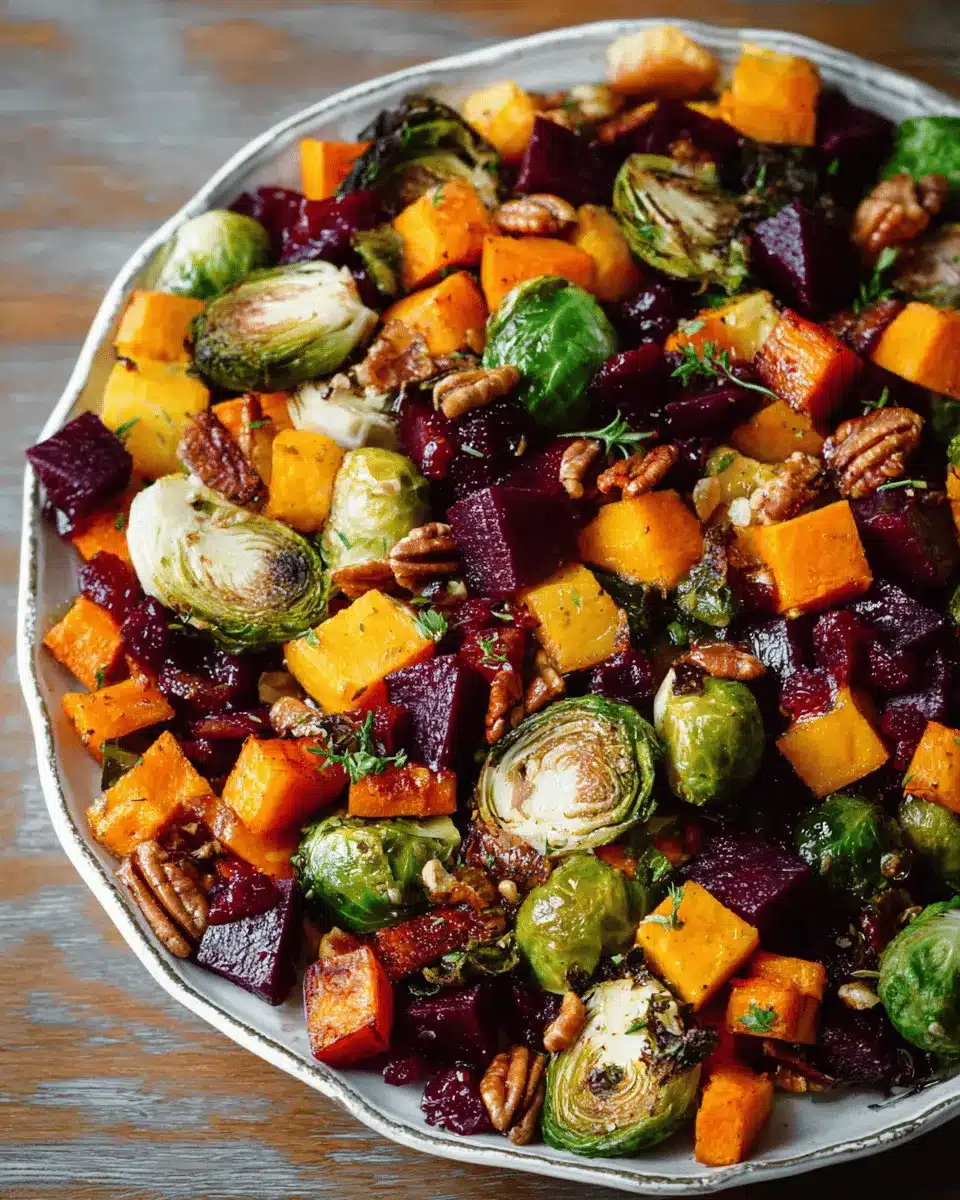
Ingredients for Winter Vegetable Salad
Fresh Veggies for Your Salad
Creating a delicious winter vegetable salad starts with selecting the right fresh veggies. For this hearty salad, you'll want to use:
- Butternut squash: Sweet and nutty, it adds warmth and a vibrant color.
- Brussels sprouts: These little gems are packed with nutrients and provide a lovely crunch.
- Beets: Earthy and nutrient-rich, they bring a beautiful hue and flavor.
- Spinach or kale: These greens provide a base that's full of vitamins.
Incorporating seasonal vegetables not only enhances flavor but also ensures you're eating in harmony with nature. If you’re curious about the nutritional benefits of these veggies, check out resources like Healthline.
Additional Toppings and Dressings
To elevate your winter vegetable salad, consider these toppings and dressings:
- Turkey bacon or chicken ham: Adds a savory kick!
- Nuts and seeds: Walnuts or pumpkin seeds offer healthy fats and crunch.
- Feta cheese: For a touch of creaminess, crumble some feta on top.
- Dressing: A simple balsamic vinaigrette works wonders, enhancing the vibrant flavors.
Feel free to mix and match according to your taste preferences. A pop of color and flavor can make your salad truly standout! For more dressing ideas, you might want to explore EatingWell's dressing recipes.
Preparing Winter Vegetable Salad
Creating a winter vegetable salad sounds like a daunting task, but fear not! With a little preparation and the right approach, you can whip up a delicious dish featuring butternut squash, Brussels sprouts, and beets. Let’s get started on this hearty, nutrient-rich salad that’s perfect for winter gatherings.
Gather and prepare the vegetables
First things first—let’s gather our stars for this winter vegetable salad. You will need:
- 1 medium butternut squash, peeled and cubed
- 2 cups Brussels sprouts, trimmed and halved
- 2 medium-sized beets, peeled and diced
- Olive oil, salt, and pepper for seasoning
- Optional: Turkey bacon or chicken ham, chopped (for extra flavor)
Once you have your vegetables ready, spend a little time prepping them. Peel and chop the butternut squash and beets. When you halved the Brussels sprouts, make sure the cut is smooth to help them cook evenly.
Roast the butternut squash and beets
Roasting brings out the natural sweetness of vegetables and is super easy! Preheat your oven to 400°F (200°C). On a baking sheet, toss your butternut squash and beets with olive oil, salt, and pepper. Spread them out in a single layer.
- Roast for about 25-30 minutes, or until they are tender and slightly caramelized.
This roasting process not only enhances their flavor but also gives your salad a warm, homey touch.
Sauté the Brussels sprouts
While the squash and beets are roasting, grab a skillet and heat a splash of olive oil over medium heat. Add the halved Brussels sprouts, cooking for 6-8 minutes until they are golden and slightly crispy.
- If you’re adding turkey bacon, toss it in with the sprouts to get that yummy, smoky flavor.
This step is crucial; the sautéing provides a nice contrast to the roasted veggies, combining different textures in your winter vegetable salad.
Combine the ingredients
Once your veggies are roasted and sautéed, it’s time to create your masterpiece. In a large bowl, gently combine the roasted butternut squash, beets, and sautéed Brussels sprouts. This harmonious mix of flavors will make every bite a delight!
Prepare the dressing
Dressing can elevate your salad. For a simple yet zesty option, mix olive oil, apple cider vinegar, a dash of Dijon mustard, honey, salt, and pepper in a small bowl. Whisk until combined.
- Drizzle this over your veggies for a punch of flavor.
Toss and serve
Finally, give everything a good toss to ensure the dressing coats all the lovely vegetables.
- If desired, top with some crumbled feta cheese or nuts for added texture.
Serve your winter vegetable salad warm or at room temperature. Enjoy this nutrient-packed dish that’s not just beautifying your plate but also benefitting your body during the chilly season. Don’t forget to share this recipe with friends who love to experiment with winter veggies!
For more culinary tips and inspiration, check out resources like Food Network for more great vegetable dishes. Happy cooking!
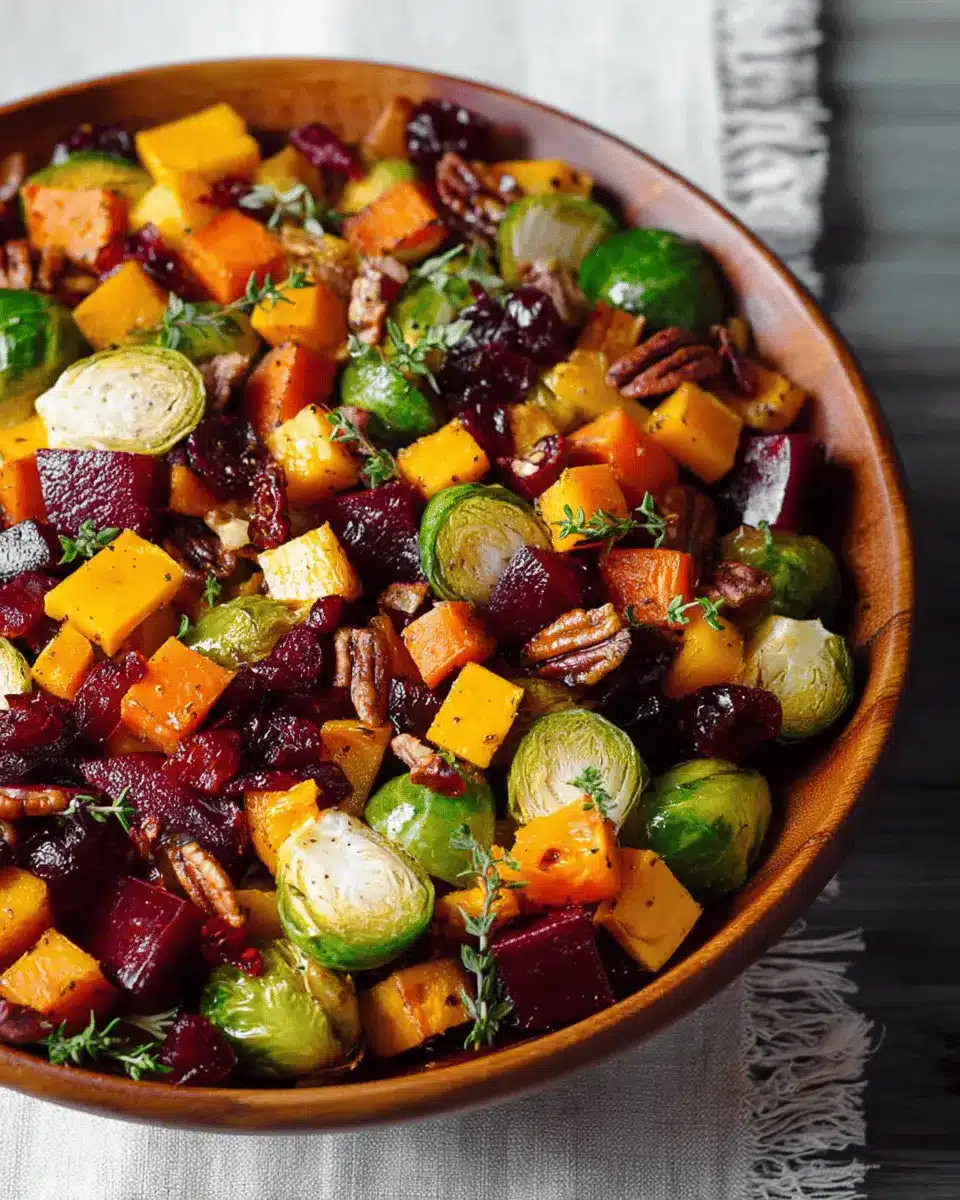
Variations on Winter Vegetable Salad
When it comes to building a nutritious winter vegetable salad, the possibilities are endless! To amp up the protein, consider these tasty add-ins:
Add-ins for Protein-Packed Salads
- Turkey Bacon: Add crispy turkey bacon for a savory crunch.
- Chicken Ham: This lean option brings a touch of heartiness without weighing you down.
- Chickpeas or Lentils: These plant-based proteins blend wonderfully and add texture.
However, the star is undoubtedly the dressing! A zingy dressing can transform your salad:
Unique Dressings to Try
- Maple Mustard Vinaigrette: Sweet and tangy, perfect for winter veggies.
- Tahini Lemon Dressing: Creamy and nutty, it complements roasted flavors beautifully.
- Spicy Honey Citrus Dressing: A kick of heat with refreshing citrus notes.
Exploring these variations can elevate your winter vegetable salad to a whole new level. Which one will you try first?
For additional inspiration, check out Cooking Light or Food Network for more salad ideas.
Cooking Tips and Notes for Winter Vegetable Salad
Seasonal Vegetable Selection
Choosing fresh, seasonal ingredients is essential for a vibrant winter vegetable salad. Look for butternut squash, Brussels sprouts, and beets at your local farmers’ market or grocery store. When selecting Brussels sprouts, opt for compact, firm ones for the best flavor. Remember, the more colorful your veggies, the more nutrients they'll provide!
Tips for Roasting and Sautéing
For roasting, cut your winter veggies into uniform sizes to ensure even cooking. Toss them with a drizzle of olive oil, salt, and your favorite spices. Roasting at 400°F brings out their natural sweetness. For sautéing, start with a hot pan and a little turkey bacon or chicken ham for an added savory kick. This method not only enhances the flavor but also keeps some veggies crisp, adding that delightful texture to your salad.
For more in-depth roasting techniques, check out this guide on roasting vegetables for flawless results every time!
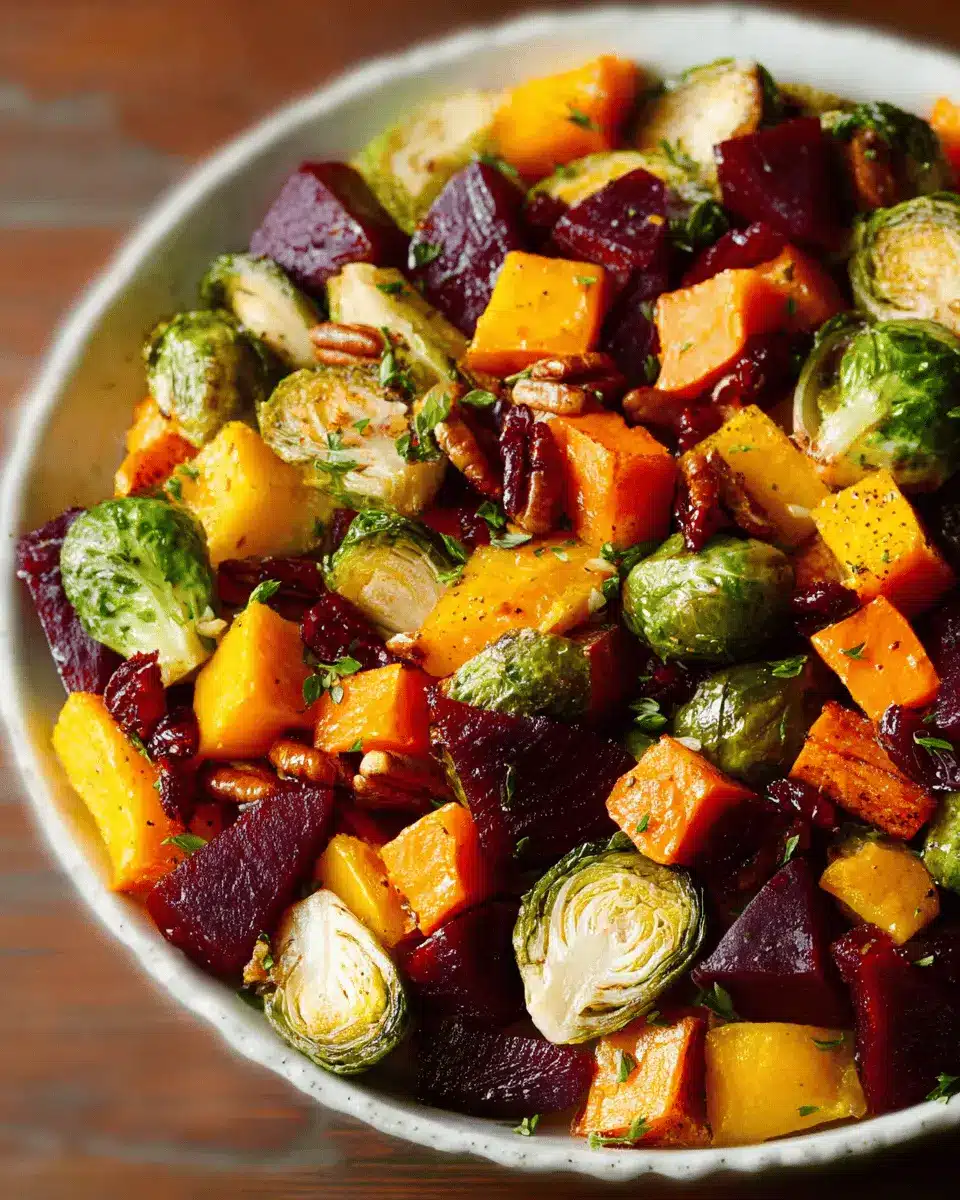
Serving suggestions for Winter Vegetable Salad
Pairing with mains
This winter vegetable salad is versatile and pairs beautifully with a variety of main dishes. Consider serving it alongside:
- Grilled Chicken: The savory notes of grilled chicken complement the earthy flavors of the salad.
- Turkey Bacon Strips: Crispy turkey bacon adds a delightful crunch and slight smokiness.
- Stuffed Bell Peppers: A hearty option that rounds out your meal beautifully.
Not only does this salad enhance the meal, but it also provides a joyful pop of color to your table!
Presentation tips for your salad
A well-presented winter vegetable salad can elevate your dining experience. Try these tips:
- Use a large, shallow bowl to showcase the vibrant colors of butternut squash, Brussels sprouts, and beets.
- Garnish with fresh herbs like parsley or cilantro for a touch of green.
- Drizzle a homemade dressing just before serving to maintain the crispness of the veggies.
These simple touches can make your meal feel special, whether it’s a cozy dinner at home or a gathering with friends. Want more inspiration? Check out these presentation ideas from Food & Wine!
Time breakdown for Winter Vegetable Salad
Preparation time
Getting your ingredients ready takes about 15 minutes. This is where you’ll wash, peel, and chop the butternut squash, Brussels sprouts, and beets. Having everything prepped makes the cooking process smooth and enjoyable.
Cooking time
The cooking part will take around 40 minutes. You’ll roast your vegetables to perfection, allowing their natural flavors to develop.
Total time
In total, you’ll need about 55 minutes to bring this hearty winter vegetable salad together. It's a perfect recipe to enjoy on a cozy evening or to impress your friends at a winter gathering.
Nutritional Facts for Winter Vegetable Salad
Calories
A vibrant serving of this winter vegetable salad contains approximately 200 calories, making it a guilt-free option for lunch or dinner. When craving something hearty yet wholesome, this salad perfectly fits the bill without compromising on flavor.
Fiber Content
Packed with wholesome ingredients, this salad provides an impressive amount of dietary fiber—around 7 grams per serving. This boost in fiber can help promote digestive health, keeping you feeling full longer and supporting overall well-being. Need more convincing? According to Harvard Health, dietary fiber plays a vital role in maintaining heart health and stabilizing blood sugar levels.
Important Vitamins and Minerals
The winter vegetable salad doesn’t skimp on essential nutrients. With generous portions of butternut squash, Brussels sprouts, and beets, you'll also benefit from:
- Vitamin A: Promotes eye health and immune function.
- Vitamin C: Supports skin health and boosts your immune system.
- Potassium: Important for heart health and muscle function.
- Folates: Crucial for cell division and DNA synthesis.
Incorporating this colorful salad into your diet is a fantastic way to meet your daily vegetable intake while indulging your taste buds. It's practically a superfood! For more insights into the benefits of vegetables, check out the CDC's comprehensive guide on nutrition.
As you mix in those vibrant veggies, you're not just creating a delicious dish; you're also nurturing your body with nature's best. Who knew winter could taste this good?
FAQs about Winter Vegetable Salad
Can I use frozen vegetables instead?
Absolutely! Using frozen vegetables in your winter vegetable salad is a great time-saver. They are often frozen at peak freshness, preserving flavor and nutrients. Just make sure to thaw and drain them properly before adding to your salad to avoid excess moisture.
How long will this salad last in the fridge?
This vibrant salad can stay fresh in the fridge for up to three days when stored in an airtight container. However, for the best flavor and texture, enjoy it within the first couple of days. Just remember that the dressing can make greens wilt quicker, so consider adding it just before serving for a crisp bite.
What can I substitute if I dislike a certain vegetable?
No problem! Winter vegetable salads are super versatile. If you’re not a fan of butternut squash, try sweet potatoes or carrots instead. For Brussels sprouts, consider shredded kale or chopped broccoli. Don’t hesitate to mix in your favorites—think roasted red peppers or even chickpeas for protein!
If you're looking for more tips on seasonal vegetables, check out this article. Enjoy your cooking adventures!
Conclusion on Winter Vegetable Salad
A winter vegetable salad is not just about taste; it's a celebration of seasonal ingredients that nourish your body and delight your palate. With earthy butternut squash, hearty Brussels sprouts, and vibrant beets, this dish captures the essence of winter. Give it a try, and experience the warmth and flavor of the season in every bite.
For more inspiration on healthy eating, check out resources like Eat a Rainbow and Nutrition.gov, where you’ll find tips on seasonal produce and balanced diets.
Winter Vegetable Salad with Butternut Squash, Brussels Sprouts, and Beets
Equipment
- Oven
- Baking sheet
- Mixing Bowl
- knife
- cutting board
Ingredients
Vegetables
- 2 cups Butternut Squash peeled and cubed
- 2 cups Brussels Sprouts trimmed and halved
- 2 cups Beets cooked and diced
Dressing
- 1 tablespoon Olive Oil
- 1 tablespoon Balsamic Vinegar
- 1 teaspoon Dijon Mustard
- to taste Salt
- to taste Pepper
Instructions
Preparation
- Preheat the oven to 400°F (200°C).
- Toss butternut squash and Brussels sprouts with olive oil, salt, and pepper on a baking sheet.
- Roast in the oven for about 25-30 minutes until tender.
- In a large bowl, combine roasted vegetables with cooked beets.
- In a small bowl, whisk together balsamic vinegar, Dijon mustard, salt, and pepper; drizzle over salad.
- Toss gently to combine and serve.

Leave a Reply