
Introduction to Beef Stew
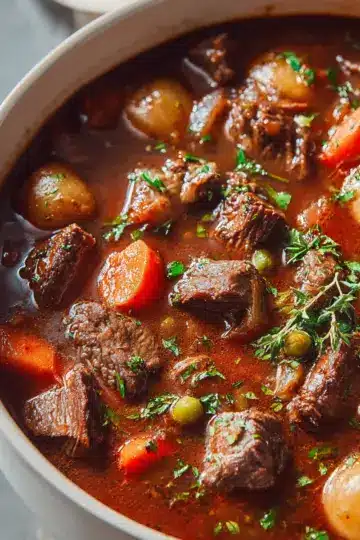
When the temperature drops and the days get shorter, there's nothing quite like a warm bowl of beef stew to lift your spirits. This classic dish has a way of bringing comfort, warmth, and a sense of home that many of us crave. But what makes beef stew the ultimate comfort food?
First, it's all about the rich flavors that develop from slow cooking. As the beef breaks down, it releases delectable juices that intermingle with wholesome vegetables, creating a heartwarming aroma that fills your kitchen. According to the Food Network, stews have been a beloved staple across cultures for centuries, making it clear that humans have long discovered the magic of simmering meat and veggies together.
Moreover, beef stew is incredibly versatile. You can make it in a slow cooker, on the stovetop, or in an oven, adapting to whatever cooking method suits your lifestyle. Add in your favorite veggies or spices, and you’ve got a unique meal that can cater to your taste preferences.
So why not gather your ingredients, roll up your sleeves, and let this hearty dish become a staple in your kitchen? Your taste buds will thank you, and there’s a good chance it might become a cherished recipe to pass down for generations!
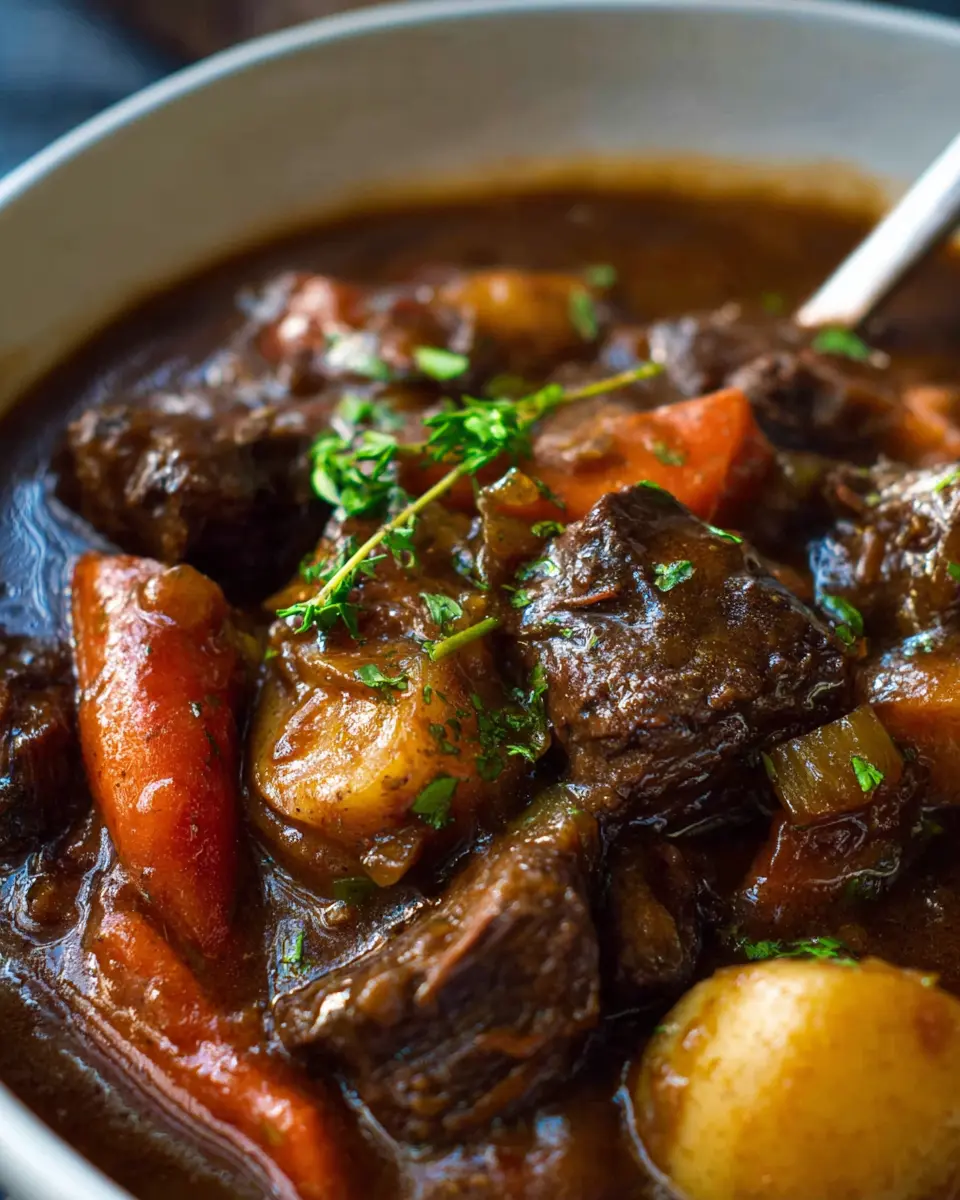
Ingredients for Beef Stew
Essential ingredients for a flavorful stew
Creating an exceptional beef stew starts with key ingredients that infuse flavor and richness. Here’s what you’ll need:
- Chuck beef: This cut is ideal due to its tenderness when slow-cooked. Aim for about 1.2 kg (2.4 lbs) cut into 3.5 cm cubes.
- Aromatics: One large onion and four minced garlic cloves lay the foundation for savory depth.
- Vegetables: Carrots and celery bring a charming sweetness and texture, while baby potatoes add heartiness.
- Broth: Use 750 ml (3 cups) of beef broth for a robust base.
- Seasonings: Don’t forget salt, pepper, Worcestershire sauce, and bay leaves for that classic stew taste.
Optional ingredients for personalization
Feel free to get creative! Adding optional ingredients can elevate your beef stew:
- Herbs: Fresh thyme or rosemary can offer an aromatic touch.
- Vegetables: Consider adding peas, parsnips, or even mushrooms for variety.
- Thickeners: A splash of flour can help thicken the stew; alternatively, some prefer using cornstarch.
By mixing and matching these ingredients, you can personalize your beef stew to suit your palate. For more tips on ingredient swaps, check out this helpful guide.
Preparing Beef Stew
Making a hearty beef stew is one of those magical culinary experiences that can transform a regular evening into a memorable occasion. With a few simple steps, you'll develop layers of flavor that bring warmth and satisfaction to any table. Let’s walk through the process together!
Season the Beef
First things first, the foundation of any great stew is well-seasoned beef. Take 1.2 kg (2.4 lb) of chuck beef and sprinkle it generously with salt and pepper. Allowing the beef to rest for a few minutes after seasoning lets those flavors soak in. This initial step is crucial—do you want your stew to pack a flavorful punch? Absolutely!
Brown the Beef Cubes
Now, heat 1.5 tablespoons of olive oil in a large casserole pot over high heat until it’s almost smoking. It’s time to add your seasoned beef in batches—about one-third at a time—to avoid overcrowding the pot. Brown the cubes aggressively for approximately four minutes, which locks in moisture while adding delightful caramelization. Repeat this for the remaining beef cubes and set them aside once browned.
Sauté the Aromatics
Reduce the heat to medium-high and add in more olive oil if needed. Sauté one large sliced onion and four minced garlic cloves for about two minutes until the onion softens slightly and turns golden around the edges. The aromas alone will already make your kitchen feel cozy!
Incorporate the Vegetables
Next, add your chopped carrots and celery, stirring to coat everything in those lovely flavors. This not only enhances the stew’s flavor profile but also contributes essential nutrients. Who said your comfort food can’t be wholesome, right?
Add Liquids and Seasonings
Sprinkle ⅓ cup of flour over the mixture, stirring to coat. Then, introduce 3 cups of beef broth, substituting with water if you prefer a lighter option, and add the Worcestershire sauce and tomato paste. These ingredients are essential—they'll bring depth and richness to your stew.
Simmer to Perfection
After incorporating everything, it’s time to add the browned beef, along with bay leaves and thyme. Allow the mix to come to a gentle simmer. Cover your pot and let it cook low and slow for about 1 hour and 45 minutes. This is where the magic happens—give it a stir occasionally and let those flavors meld together beautifully.
Final Touches Before Serving
Once your stew is almost done, check for seasoning and add salt and pepper to taste. If you see that the sauce requires thickening, remove the lid and let it reduce for another 30 minutes. The final result should be a tantalizingly rich and aromatic stew, perfect for serving over creamy mashed potatoes or with crusty bread.
By following these steps, you’ll be well on your way to mastering a classic beef stew that’s not just a meal, but an experience to share with friends and family. Happy cooking!
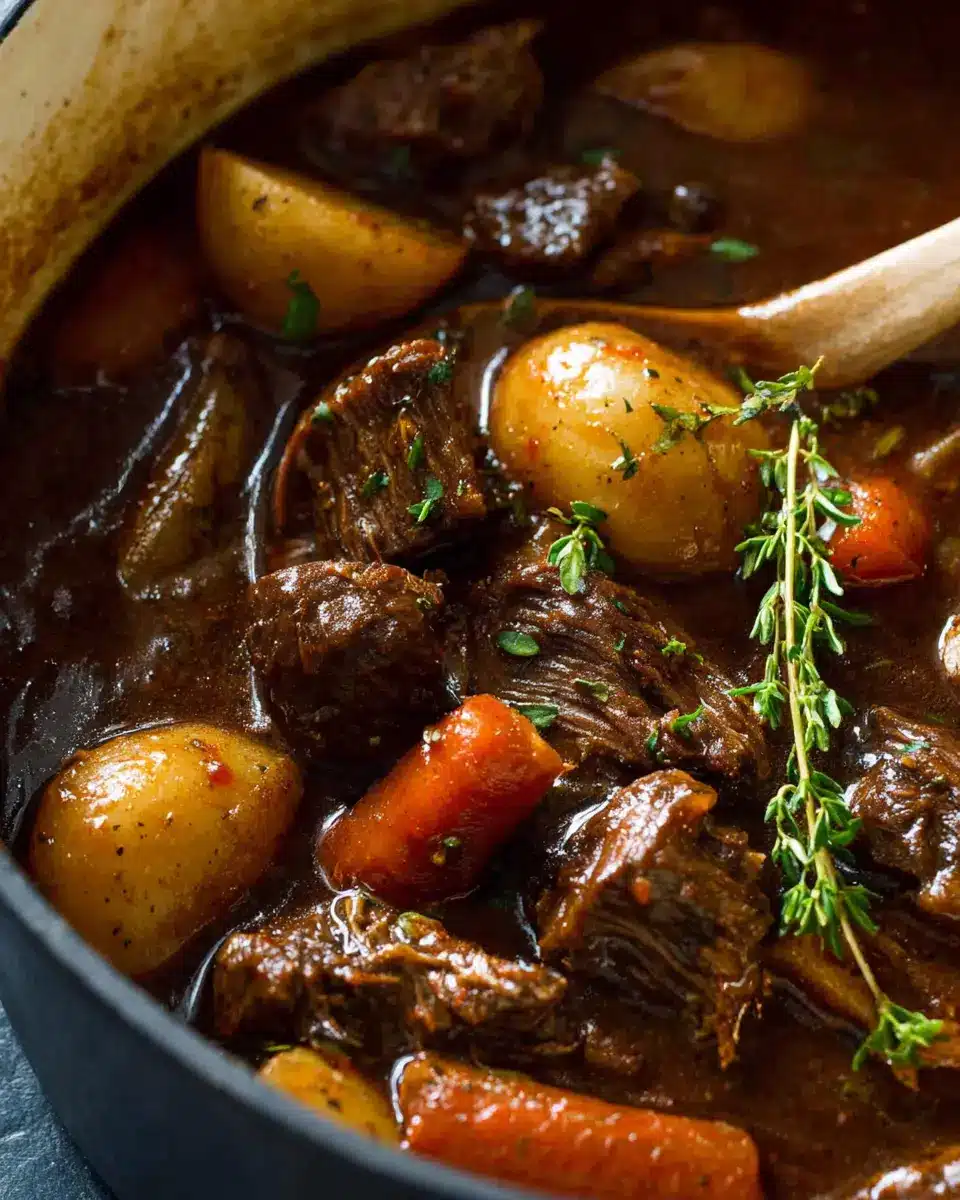
Variations on Beef Stew
Hearty Vegetable Beef Stew
For a wholesome twist on classic beef stew, try adding your favorite vegetables, like zucchini, peas, and green beans. These will not only enhance the flavor but also pack in extra nutrients. Just toss them in with the broth about halfway through cooking. You’ll end up with a colorful, hearty dish that’s perfect for weeknight dinners.
Spicy Beef Stew with Added Kick
If you’re craving something with a bit more zest, consider stirring in spices like cayenne pepper, or even some jalapeños. This variation of beef stew will deliver a delightful heat that warms you up from the inside out. You can also use a different broth or hot sauce to give your stew that extra punch. For more inspiration, check out this delicious spicy beef stew recipe.
Experimenting with these variations on beef stew can add delight to your cooking routine!
Cooking tips and notes for Beef Stew
Essential tips for perfecting your stew
To create a truly unforgettable beef stew, start by browning the meat well; this caramelization enhances the flavor. Don't rush the simmering process! Low and slow cooking helps tenderize the beef, allowing the flavors to meld beautifully. A splash of beef broth instead of wine can maintain depth, while fresh herbs like thyme and bay leaves infuse a delightful aroma.
Common pitfalls to avoid
Avoid overcrowding the pot when browning your beef, as this can lead to steaming rather than searing. Always adjust seasoning towards the end to prevent over-salting, and remember that ingredients like flour can thicken as they cook, so keep an eye out for that perfect consistency. For more tips, check out The Kitchn's guide on stew.
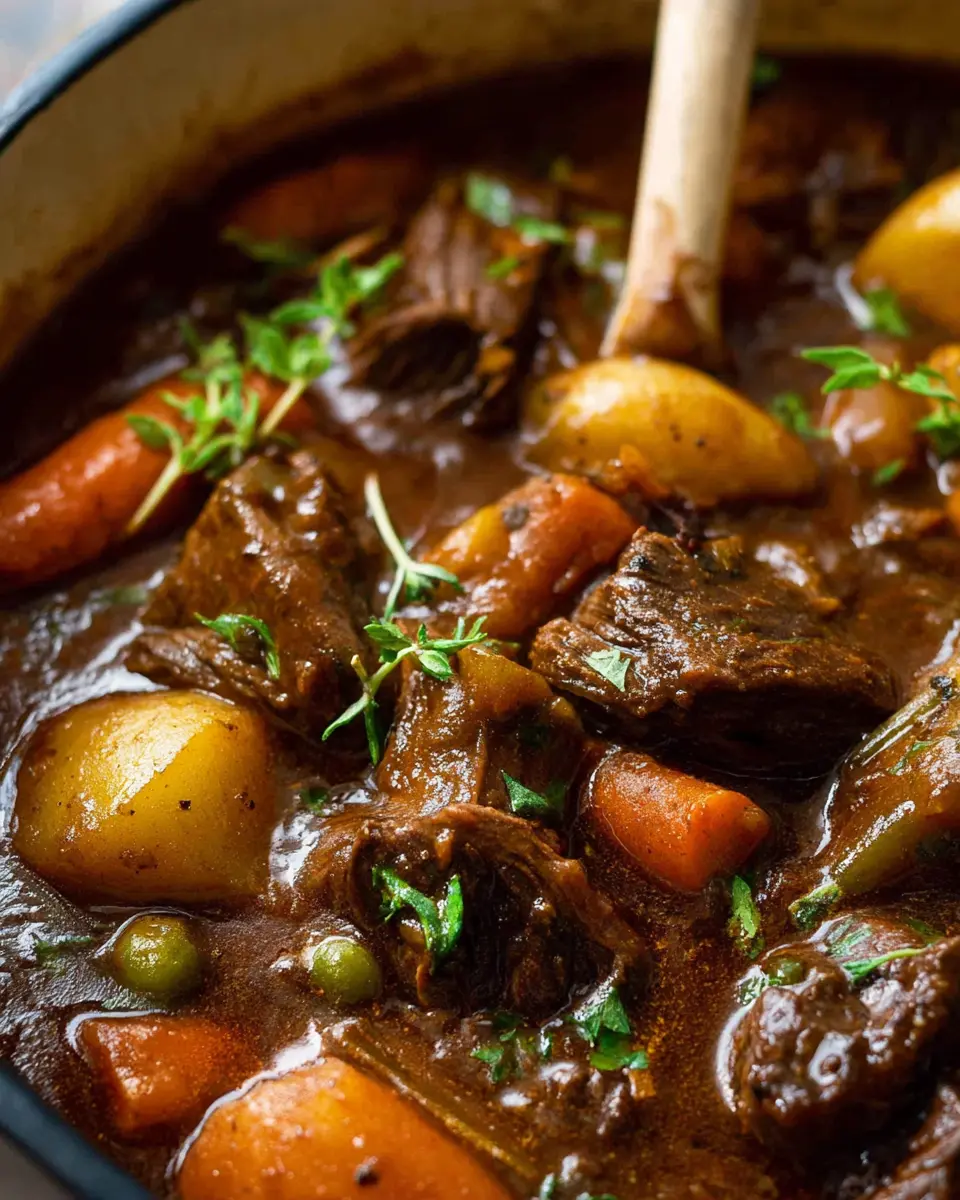
Serving suggestions for Beef Stew
Accompaniments that elevate the dish
To truly make your beef stew shine, consider serving it with some delightful sides. Warm, crusty bread is a classic option—perfect for dunking into that rich, savory broth. For a heartier meal, creamy mashed potatoes or even polenta can beautifully complement the stew. Alternatively, try a light salad with a tangy vinaigrette for a refreshing contrast.
Creative serving ideas
Serve your beef stew in charming bowls and top with a sprinkle of fresh parsley or thyme for that “restaurant-style” flair. For a fun twist, consider using bread bowls, which add both character and functionality to your meal. You can also accompany it with a side of roasted veggies for additional texture and flavor.
Wondering what to serve with your beef stew? Check out this article for more ideas!
Time breakdown for Beef Stew
Preparation time
Getting your ingredients prepped for this delicious beef stew takes about 15 minutes. Chop your veggies, season the beef, and have everything ready for a smooth cooking process.
Cooking time
The cooking itself will take around 2 hours and 15 minutes. This includes browning the beef and simmering for maximum flavor and tenderness.
Total time
All in all, allow yourself about 2 hours and 30 minutes from start to finish for this hearty meal. With the satisfaction of creating such a cozy dish, you'll find it’s well worth the time spent! For more tips on meal preparation, check out Cooking Light's article on efficient meal planning.
Nutritional Facts for Beef Stew
When it comes to beef stew, understanding its nutritional value can help you enjoy this hearty dish guilt-free. Here's a quick overview of what each serving offers:
Calories per Serving
A serving of beef stew contains approximately 605 calories, making it a fulfilling meal that provides energy without excessive calories. Ideal for a cozy dinner!
Protein Content
With a generous protein content, beef stew packs in about 43g per serving. This is excellent for muscle repair and keeping you feeling full longer—perfect after a long day.
Sodium Levels
Be mindful of the sodium content in your dish, which typically hovers around 450mg per serving. For those watching their intake, consider using low-sodium broth to keep things healthy.
Feeling inspired? Dive deeper into how the nutritional components of your beef stew can contribute to a balanced diet and enjoy every delicious bite! For more information on healthy choices, check out the resources from the American Heart Association.
FAQs about Beef Stew
How can I make my beef stew richer?
To elevate the richness of your beef stew, consider adding ingredients like a spoonful of tomato paste or a splash of balsamic vinegar during cooking. You can also finish your stew with a pat of butter or a drizzle of olive oil before serving. These small additions will enhance the flavor profile, making each bite more sumptuous.
What can I substitute for beef broth?
If you're out of beef broth, don't worry! You can use chicken broth, vegetable broth, or even water in a pinch. For added depth, consider simmering water with aromatic herbs like thyme or bay leaves, or incorporating soy sauce for an umami kick.
How do I store and reheat leftover beef stew?
Leftover beef stew can be stored in an airtight container in the refrigerator for 3-4 days or frozen for up to 3 months. To reheat, simply warm it on the stove over low heat, stirring occasionally, until heated through. A splash of water or broth can help restore its consistency.
By keeping these tips in mind, you'll ensure that your beef stew remains delicious, whether you're cooking it fresh or enjoying it as leftovers! For more tips and recipes, check out Serious Eats.
Conclusion on Beef Stew
Making beef stew at home is not only rewarding but also an excellent way to enjoy wholesome comfort food. By choosing your ingredients, you elevate the flavors while knowing exactly what's in your meal. Embrace this adaptable dish and savor the delightful results—it’s a meal that brings everyone together!
Why You Should Try Making Beef Stew at Home
Creating beef stew in your own kitchen provides numerous benefits:
- Healthier Choices: You control the ingredients, which means healthier options.
- Cost-Effective: Save money by using affordable cuts of beef and seasonal vegetables.
- Flavor Customization: Experiment with spices, herbs, and broth types to tailor flavors to your taste.
- Comforting Tradition: Enjoy a classic dish that fills the home with a delightful aroma as it cooks.
If you’re looking for a delicious way to bring comfort and warmth to your dinner table, beef stew is an excellent choice. Happy cooking!
For more on the essence of homemade meals, check out resources from trusted sites like BBC Good Food or Bon Appétit for inspiration and tips.
Beef Stew
Equipment
- large, heavy based casserole pot
Ingredients
- 1.2 kg chuck beef cut into 3.5 cm / 1.5" cubes
- 1 teaspoon salt
- 1 teaspoon pepper
- 3 tablespoon olive oil divided
- 1 large onion halved then cut into 1 cm / ⅖" slices
- 4 cloves garlic minced
- 3 carrots cut into 2.5cm / 1" pieces on the diagonal
- 2 celery stalks cut into 2.5 cm / 1" pieces
- ⅓ cup flour
- 3 cups beef broth salt reduced
- 2 cups red wine bold and dry (Cab Sauv, Burgundy, Merlot)
- 2 teaspoon Worcestershire Sauce
- 2 tablespoon tomato paste
- 2 bay leaves fresh or dried
- 4 sprigs thyme
- 400 g baby potatoes halved
- More salt and pepper to taste
Instructions
- Sprinkle beef with salt and pepper.
- Heat 1 ½ tablespoon oil in a large, heavy based casserole pot over high heat until just starting to smoke.
- Add ⅓ of the beef and brown aggressively all over – about 4 minutes. Remove to bowl, repeat with remaining beef, adding more oil if required.
- Turn down heat to medium high. Add 1 tablespoon oil if required. Add onion and garlic, cook for 2 minutes until onion is softened slightly and golden on the edge.
- Add carrot and celery, stir for 1 minute to coat in flavours.
- Sprinkle flour evenly across surface, then stir to coat.
- Add broth, red wine, tomato paste and Worcestershire sauce. Stir to dissolve tomato paste and flour into liquid.
- Add cooked beef (including any juices), thyme, bay leaf and potato. Stir. Water level should almost fully cover everything; if not, add a touch of water.
- Bring to simmer, then adjust heat to low / medium low so it’s simmering gently.
- Cover and cook for 1 hour 45 minutes or until beef is pretty tender (check with 2 forks at 1.5 hrs).
- Remove lid and simmer for further 30 minutes or until sauce reduces slightly. It should be like a thin gravy and beef should now be very tender.
- Season to taste with salt and pepper.
- Serve over creamy mashed potato with a sprig of fresh thyme for decoration or a sprinkle of parsley.



Leave a Reply